Neion Tech develops custom business software for companies in Jordan and the GCC. We plan systems around your workflows, user roles and existing tools, from customer portals to internal administration and API integrations. The project scope defines what will be built, how it will be tested and what your team receives at handover.
Build around the work your team needs to complete
Custom software is worth considering when important work falls between your existing tools: staff repeat data entry, requests move through disconnected messages, or customers cannot follow the status of their enquiries. Start with the process and records that need to change, then decide whether to extend an existing product or build a dedicated system.
A useful brief describes who creates a record, who reviews it, what decisions follow and what information each person can access. This gives the project a practical starting point beyond a list of screens.
What your software project can deliver
The proposal should identify the deliverables needed for your particular system. Use this checklist when reviewing the scope:
| Deliverable |
What the scope should make clear |
| Workflow and requirements |
User roles, record states, approval steps, important exceptions and acceptance criteria |
| Application and interfaces |
Staff/customer screens, Arabic and English requirements, validation and error states |
| Backend and administration |
Data records, permissions, administrative actions and reporting requirements |
| System integrations |
Named systems, available APIs, data ownership, update rules and failure handling |
| Migration where needed |
Data sources, cleaning responsibilities, import mapping and verification |
| Testing and release |
Agreed checks, staging/production responsibilities, deployment and operational access |
| Handover |
Agreed code, documentation, credentials transfer and staff guidance |
These are scope decisions, not an automatic bundle. The written proposal should identify what is included, what remains with your team and any external dependencies.
Three examples of different software scopes
Internal request and approval system
Staff submit requests, managers review them and administrators track status. Before estimating, define the approval rules, attachments, notifications, reporting and who can reopen or cancel a request.
Customer or partner portal
External users access their own records while staff manage the work behind them. Define account access, permissions, status visibility and which actions require staff approval.
A platform connecting several user groups
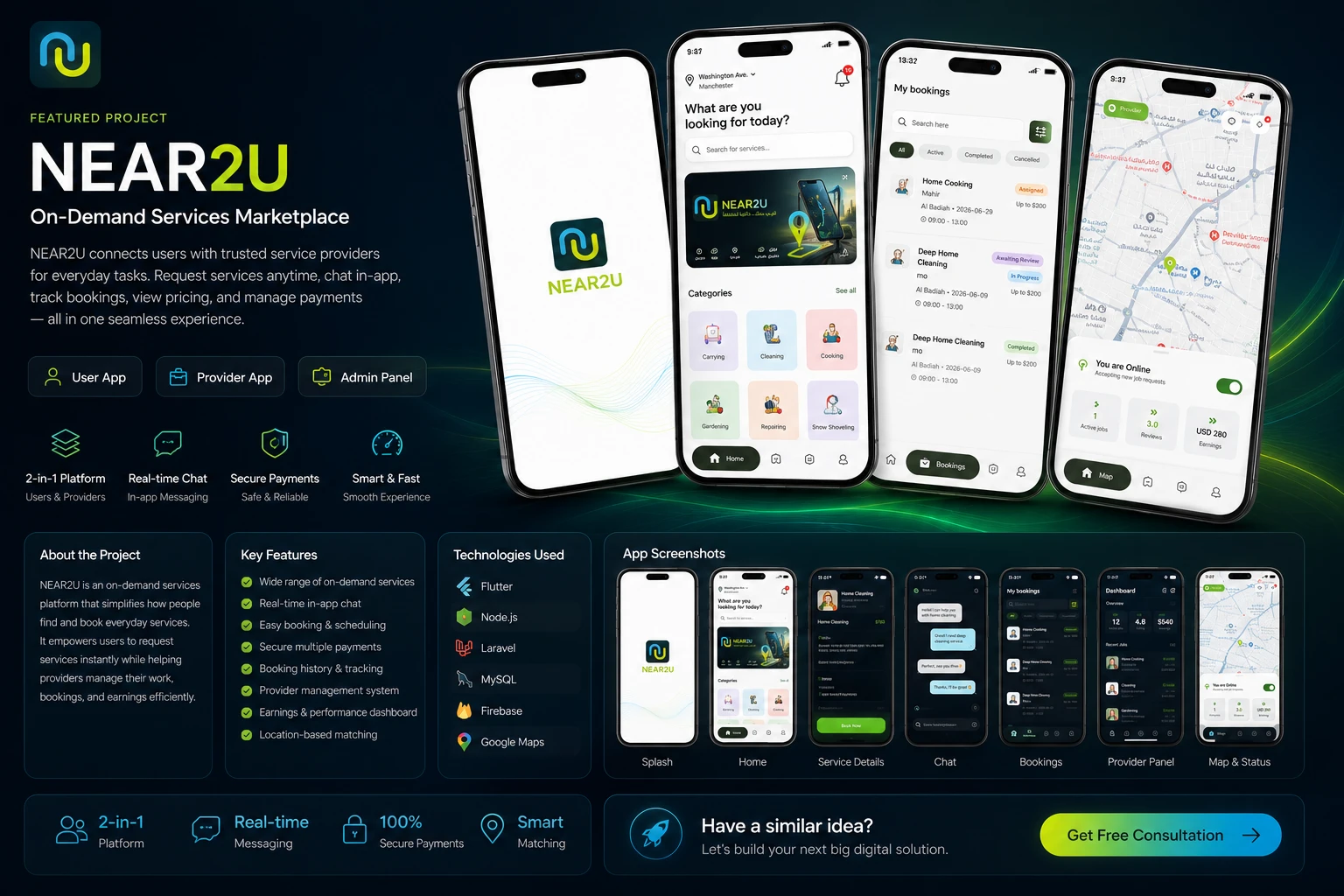
A product with customers, providers or other distinct roles may need separate journeys, shared records and operational administration. Scope the first complete journey before adding every possible feature.
These examples illustrate how requirements change the work. They are not fixed-price packages or claims that your project must use one model.
Turn a feature into a checkable workflow
For example, “request management” is not a complete acceptance criterion. A clearer scope states that an authorised user can create a request, required information is validated, the correct reviewer can accept or return it, and users see only the records their role permits.
Also define what happens when an external service is unavailable or data cannot be imported. Agreeing these behaviours early makes demonstrations and acceptance more useful than checking whether a button exists.
Understand cost, timing and dependencies
The quotation depends on workflows, roles, integrations, migration, reporting, design and testing. A system that uses a documented existing API has different dependencies from one that needs access to an undocumented application or extensive data cleanup.
Timing should be tied to stages: confirming requirements, reviewing interfaces, implementing the first complete workflow, testing with representative data and preparing handover. Your team's approvals, access and data readiness also affect progress.
Ask for these cost categories separately: initial development, optional or later features, hosting, maintenance and external provider charges. A new report, extra user role or changed integration after scope agreement may require a revised estimate.
Agree ownership, access and ongoing support
Before development, confirm ownership or licensing of custom code, rights to existing components and what files/access will be handed over. Identify who owns the hosting, domain and external-service accounts, and how authorised access can transfer if another team takes over.
Distinguish correction of defects against the agreed scope from new features and ongoing maintenance. Record the support period, channels, coverage and any response commitments in the agreement. Backups, monitoring and infrastructure updates also need an assigned owner.
Prepare for a useful project discussion
Send a short description of the current process, user roles, main records and the change you need. Include existing system names, available API documentation, sample data that can be shared appropriately, required languages and your preferred launch window.
If you are still deciding between a business system, app and website, use our development service guide. If your main concern is planning for local users and operations, read planning a software project for Jordan.
Frequently asked questions
An existing system can be assessed after reviewing its code, documentation, access and operational requirements. The review should establish what can be reused and what needs attention before agreeing new functionality.
That depends on the available integration methods, documentation, permissions and data requirements. Share the system details so the required connection and its dependencies can be assessed.
Agree acceptance criteria around the main workflows, permissions, data checks and agreed operating environment. Review the completed work against those criteria before release and handover.
Ownership, licensing and handover are defined in the agreement. Confirm the custom code, existing components, documentation and account access involved before work starts.
The agreement should separate defect correction, maintenance, hosting and future development. Confirm the responsibilities, period and recurring fees for the support your system needs.
Discuss your software project
Share the users, workflows, existing tools and first-release priorities. Discuss your software project with Neion Tech so we can review the requirements and define a suitable scope.
Independent reviews
Neion Tech on Clutch
Explore Neion Tech’s Clutch profile for company information and reviews available on the platform.
View Neion Tech on Clutch
Ratings reflect published Clutch client feedback when displayed, not every project we deliver. We welcome honest reviews after completed engagements.