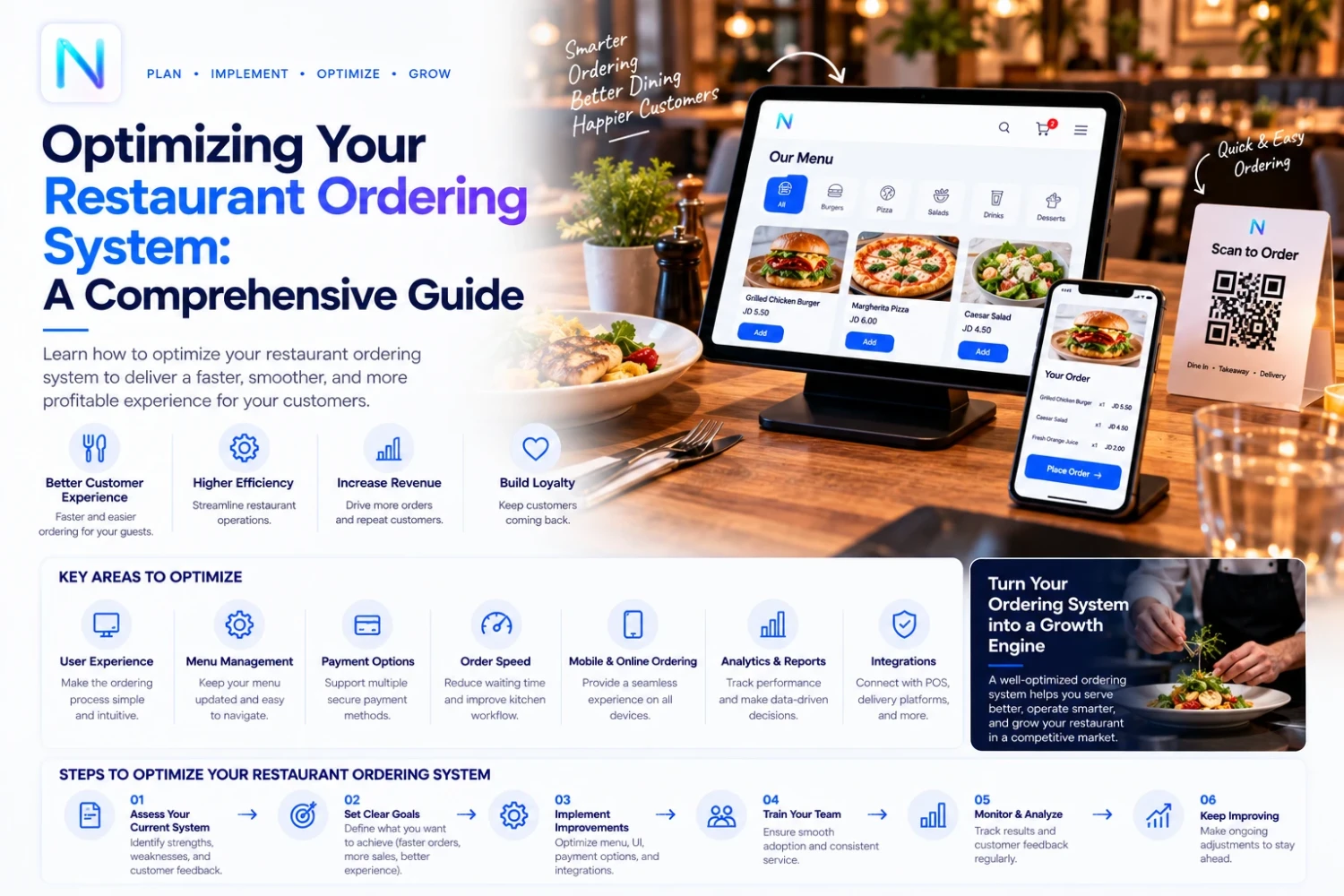
The Challenge of Traditional Ordering Systems
In the fast-paced restaurant industry, efficiency is crucial. Traditional ordering systems often lead to long wait times, order inaccuracies, and customer dissatisfaction. Restaurant owners face significant challenges in managing orders, especially during peak hours, which can impact service quality and ultimately, profitability.
Understanding the Needs of Modern Diners
Today's diners expect a seamless experience, whether they are dining in, ordering for delivery, or picking up takeout. This shift in consumer behavior necessitates an upgrade from outdated systems to more efficient solutions that can cater to these modern demands.
The Solution: A Custom Restaurant Ordering System
Implementing a custom restaurant ordering system can significantly enhance operational efficiency and improve customer satisfaction. Here are some benefits of adopting such a system:
- Streamlined Ordering Process: With a custom platform, orders can be placed quickly and accurately, reducing wait times and minimizing errors.
- Real-Time Inventory Management: Integrating inventory management helps in tracking stock levels, ensuring that popular items are always available.
- Enhanced Customer Experience: Features like digital menus, customization options, and easy payment methods cater to customer preferences.
- Data Insights: Access to analytics allows restaurant owners to make informed decisions based on customer behavior and preferences.
Why Choose Custom Industry Software Development?
Custom industry software, such as a restaurant ordering system, offers tailored solutions that off-the-shelf software may not provide. Here’s why investing in custom development from Neion Tech in Jordan is beneficial:
- Flexibility: Custom systems can be designed to meet specific operational needs, ensuring that all unique requirements are addressed.
- Scalability: As your restaurant grows, your ordering system can be easily scaled to accommodate increased demand.
- Integration Capabilities: A custom solution allows for seamless integration with existing systems, such as accounting or loyalty programs.
Real-World Examples of Successful Implementations
Restaurants across the Middle East are increasingly turning to custom software solutions to enhance their operations. For instance, a popular chain in Amman implemented a personalized ordering system that reduced order processing time by 30%, leading to higher customer satisfaction and repeat business.
Case Study: A Local Restaurant's Transformation
After adopting a custom restaurant ordering system developed by Neion Tech, a local eatery reported:
- A 40% increase in online orders.
- A significant reduction in staff training time due to user-friendly interfaces.
- Improved customer feedback ratings, particularly regarding service speed.
Frequently Asked Questions
1. What features should I look for in a restaurant ordering system?
Essential features include user-friendly interface, real-time inventory management, payment processing options, and analytics for tracking customer preferences.
2. How can a custom system benefit my restaurant?
A custom system is tailored to your specific needs, allowing for better integration with existing processes and providing features that enhance the customer experience.
3. Is a custom ordering system expensive?
While the initial investment may be higher than off-the-shelf solutions, the long-term benefits, such as increased efficiency and customer satisfaction, often outweigh the costs.
4. Can I integrate a restaurant ordering system with my existing software?
Yes, custom systems can be designed to integrate seamlessly with your current software, ensuring a smooth transition and continuous operations.
In conclusion, investing in a custom restaurant ordering system is a strategic move that can lead to significant improvements in efficiency and customer satisfaction. As a trusted software development partner in Jordan, Neion Tech can help you navigate this transformation, ensuring that your restaurant meets the demands of modern diners while optimizing operational performance.
Leave a comments:

Comments: